Coastal emus were once widespread across north-eastern New South Wales. Now, they live only within Evans Head, Red Rock and the Bungawalbin area (see the map).
This population of coastal emus is important because it's genetically different from all other emu populations in Australia.
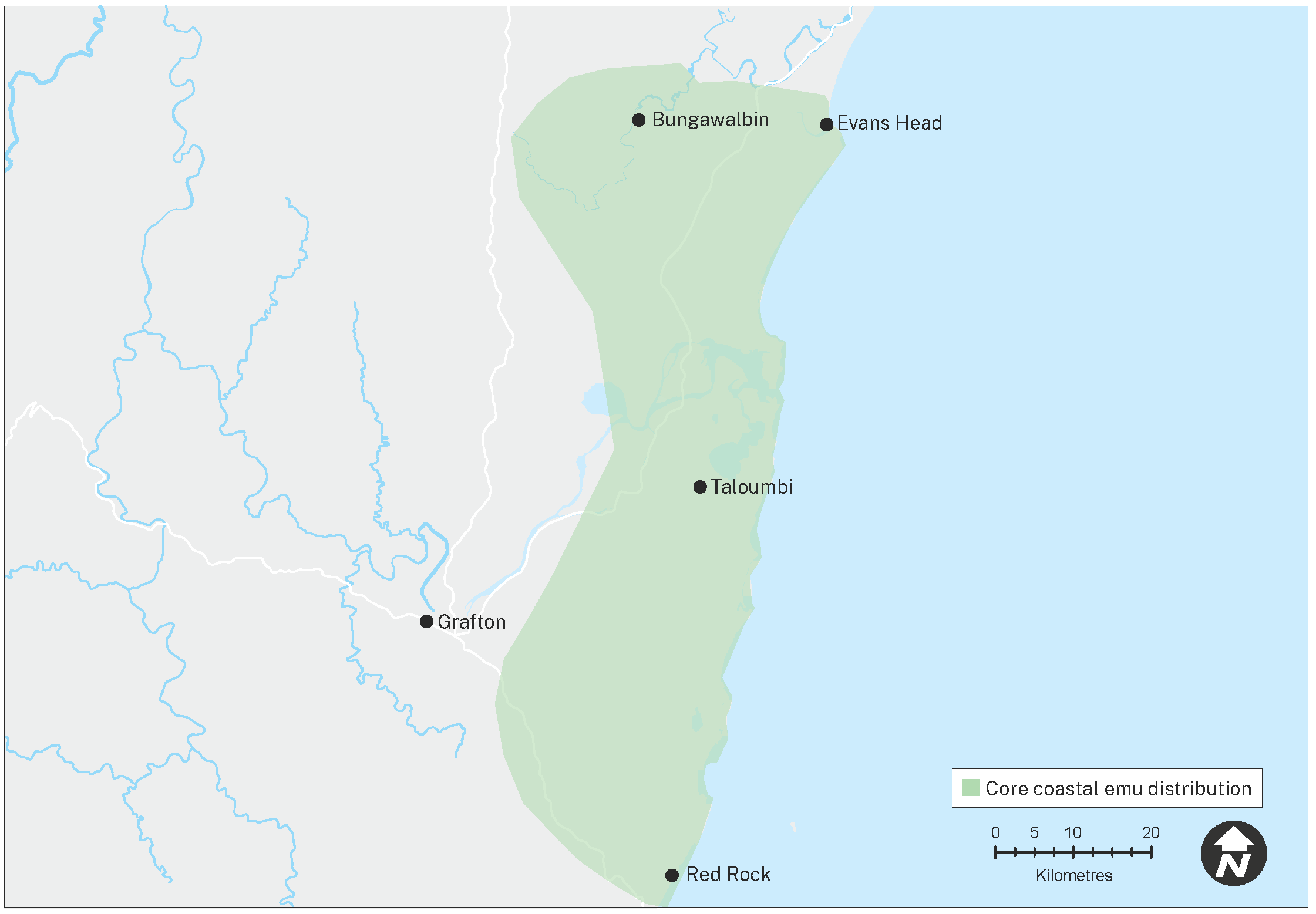
This population is at risk of extinction within the next 50 years unless we act quickly to protect them. Their loss would have a serious impact on the environment because coastal emus eat and spread fruits and seeds across large areas. This helps keep our north-eastern NSW forests healthy and able to support many different threatened plants and animals. These forests are some of the most diverse coastal forests in the world.
Let’s find out what we’re doing to conserve the endangered coastal emu on the North Coast and what you can do to help.
Threats and conservation actions
One of the greatest known threats to the coastal emu is collisions with vehicles. There have been a lot of emu road-related deaths recorded in the last 10 years.
Saving our Species is working with partners to address the threat of road strike by:
- reducing the speed limit from 100 km/h to 80 km/h along a 7.2 km section of Brooms Head Road in Taloumbi, where emus are known to regularly cross
- alerting motorists to the presence of emus and chicks using road signs in high-risk areas
- working with the local community to raise awareness of the threat of road strike
- working with landholders to deliver an ‘Emu-friendly Fencing Program’. This opens emu movement pathways so the bird can move away from high-risk roads.
Saving our Species is working in partnership with Clarence Valley Council, Transport for NSW and the Lions Club of Clarence – Environmental.
Some fencing (5 strand, high tension, barb wire and wire mesh) can limit the movement of the coastal emu across the landscape. This restricts access to food trees and habitat and makes it harder for them to move away from roads to safety. This barrier to movement is one of the key threats to coastal emus.
Saving our Species is reducing these barriers by:
- creating a continuous corridor of emu-friendly paths in their known range in the Taloumbi area
- supporting landholders to replace existing fences and gates with, or change them to, emu-friendly fencing (PDF 2MB).
Red foxes (Vulpes vulpes), feral pigs (Sus scrofa) and wild dogs are a key threat to coastal emus as they predate on nesting birds, eggs and young.
Saving our Species targets the threat of pests to coastal emus by:
- working with landholders in emu hotspots during the emu breeding and nesting season
- supporting feral animal baiting and control on public land.
These pest control projects are undertaken with support from North Coast Local Land Services.
With so few individuals left in the wild, Saving our Species is delivering a pilot program to boost the population by:
- collecting a small number of wild emu eggs and sending them to an accredited emu breeder for incubation – the chicks are in care for up to 3 months, safe from predators
- moving chicks to a fenced site in core emu habitat until they reach an adult size at roughly 18 months of age – this is known as a soft release
- releasing emus of an adult size into the wild population when they are less prone to predation
- monitoring the birds’ movement pathways, survival and success after we release them.
Saving our Species conducts ongoing science and research to support the conservation of the coastal emu. It fills critical knowledge gaps about their development, breeding and kinship. This helps inform how we manage the population on the ground and improves our understanding the evolution of the species.
To help the pilot program to boost the population, Saving our Species supports research into:
- foraging, interactions, and other behaviours
- survival, movements, and success of birds after they are released into the wild population
- movement pathways after release to investigate distribution and better understand the role emus play in spreading seed.
Working with communities
The coastal emu is of significant cultural value to Bundjalung, Gumbaynggirr and Yaegl Aboriginal peoples. Saving our Species has supported and partnered with Gumbaynggirr and Yaegl Traditional Custodians to share their Aboriginal cultural stories through film.
Yugaamgan – A story of emu on Yaegl Country is a film that tells of the importance of the coastal emu to Yaegl Traditional Custodians and the ecological role emus play in our environment. The film was created and produced on Yaegl Country, with Yaegl Traditional Owners, in partnership with Saving our Species.
The Aboriginal cultural story of ‘The Emu in the Sky’ has existed in storylines for thousands of years. The Gumbaynggirr Aboriginal community of Coffs Harbour has shared their version of the story with the broader community, through the creation of a film that reminds us that we all have a responsibility to look after the coastal emu. The Emu and the Platypus, originally told by Uncle Lambert Whaddy, tells of 2 young boys on a journey upstream and how the emu came to be in the Bellinger Valley. The film was created and produced on Gumbaynggirr Country, with Gumbaynggirr Traditional Owners, in partnership with Saving our Species.
Watch The Emu and the Platypus.
Saving our Species is working with the community between Red Rock, Brooms Head and Bungawalbin to promote coastal emu conservation by:
- sharing information and resources
- attending local events, schools, markets and festivals
- helping with population surveys and other events to encourage local involvement.
Get in touch if you would like Saving our Species to talk at your school or community event.
Results from the coastal emu population survey in October 2023
- Eighty citizen scientists from the Clarence Valley and Bungawalbin helped to survey the coastal emu population in October 2023.
- Together we surveyed by vehicle, foot, bicycle and drone covering hundreds of kilometres of roads and trails as well as cane, tea tree and macadamia farmland.
- Preliminary results from the 2023 survey found 42 individuals in the Lower Clarence population (21 adults, one juvenile and 20 chicks) and 5 individuals in the Bungawalbin subpopulation (4 adults, one juvenile and zero chicks).
- Almost half the individuals recorded were chicks, with only 2 known juveniles counted that are survivors from last season.
While there can be success in a good nesting season, the long-term survival of chicks is extremely low. Therefore, the coastal emu conservation project is focused on conservation actions that increase the survival rates of chicks by helping them get to a size where they are less prone to threats such as predation.
How you can help
With so few emus left in the population, protecting every individual is critical. Your role is simple but very important:
- Drive to the speed limit on coastal roads – slow down, stay alert and follow animal warning signs.
- Install emu-friendly fencing on your property – to find out more, download the emu-friendly fencing pamphlet (PDF 2MB).
- Get in touch if you have emu activity on your property or knowledge about nesting sites, past and present.
- Get in touch if you think you might qualify for help with pest control on your property.
Register your coastal emu sightings
Calling all citizen scientists and wildlife enthusiasts! If you spot an emu between Evans Head, Red Rock and Bungawalbin, register your sighting on the Clarence Valley Council’s coastal emu sightings register. This includes sightings of scats, tracks and feathers. The sightings register lets you pinpoint any emu you see on a map. You can add more information about your sighting, which helps inform our future decisions about conserving this iconic emu population.
The data you register can help us learn about the distribution and movement pathways of coastal emus. We can use this to develop management strategies that better protect them from extinction.
Acknowledgments
The NSW Government, through its Saving our Species program leads the delivery of the coastal emu conservation project. The project relies on the contribution of project partners and stakeholders.
-
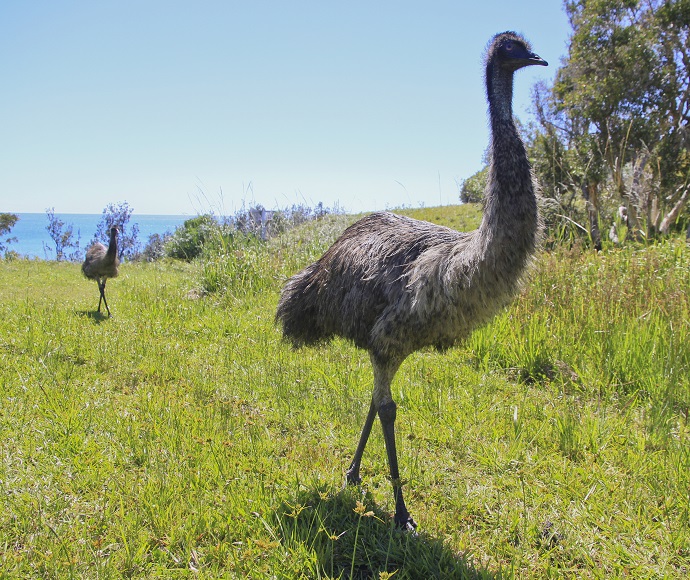
Two coastal emus (Dromaius novaehollandiae) on the NSW North Coast. -
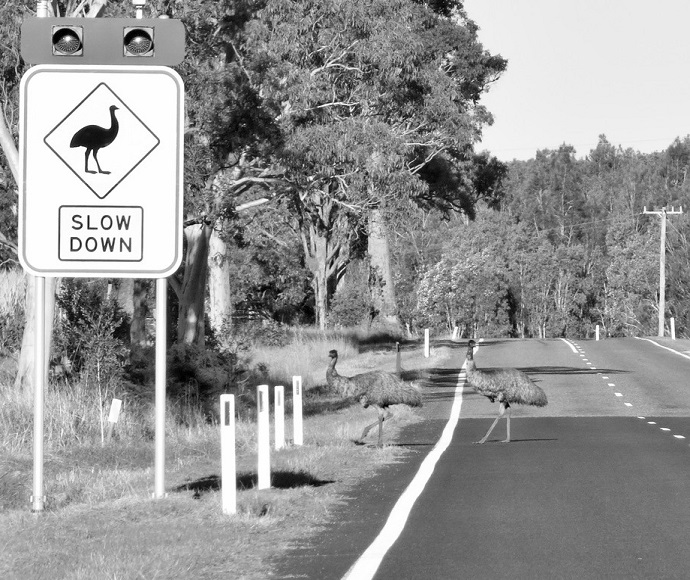
Motorists are alerted to the presence of emus and chicks through road signage in high-risk areas in northern New South Wales. -
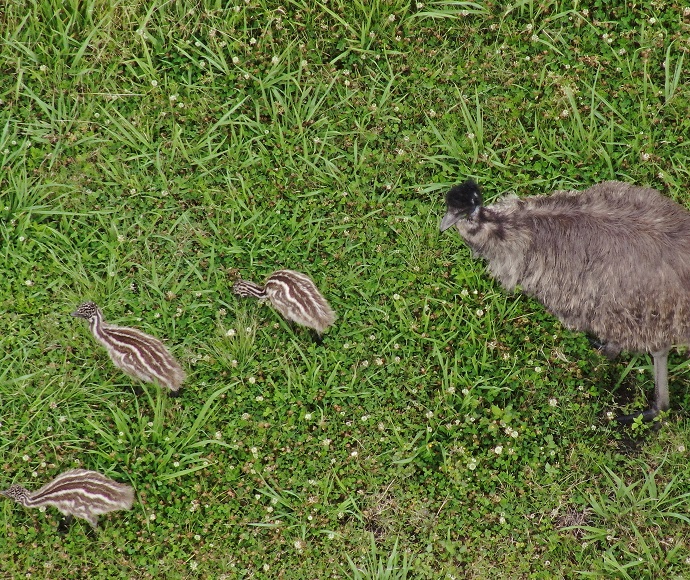
An adult coastal emu (Dromaius novaehollandiae) with 3 chicks. -
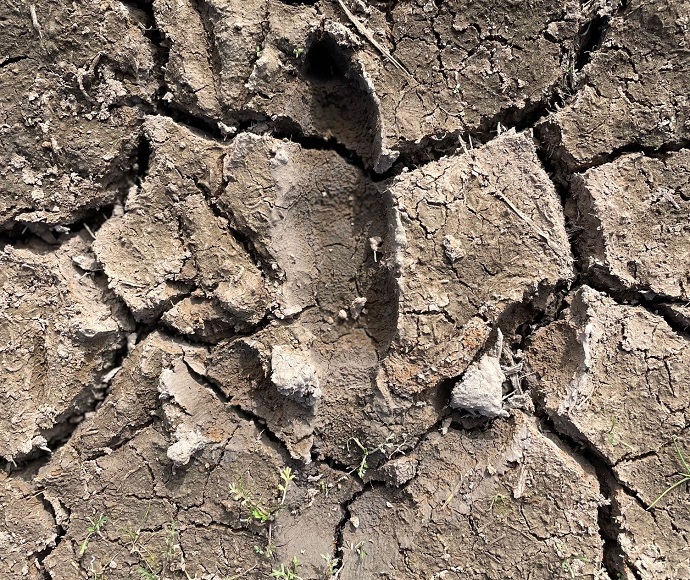
A coastal emu footprint. -
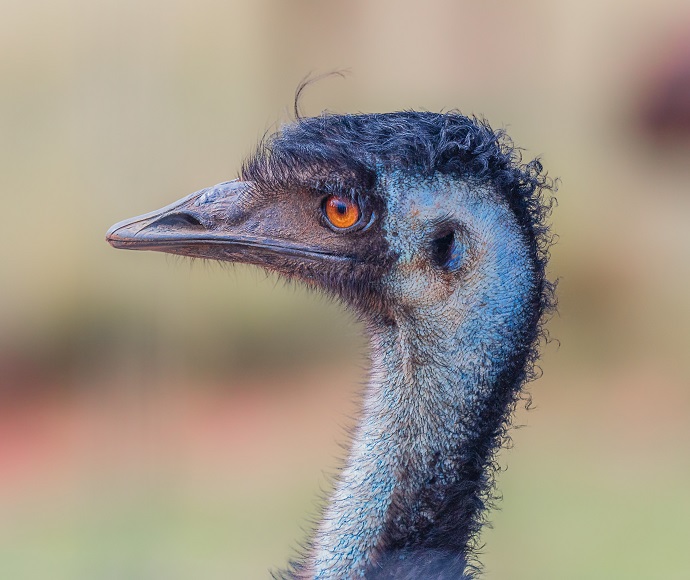
The coastal emu population on the NSW North Coast is endangered. -

Saving our Species has supported and partnered with Gumbaynggirr and Yaegl Traditional Custodians to share their Aboriginal cultural stories through film. -
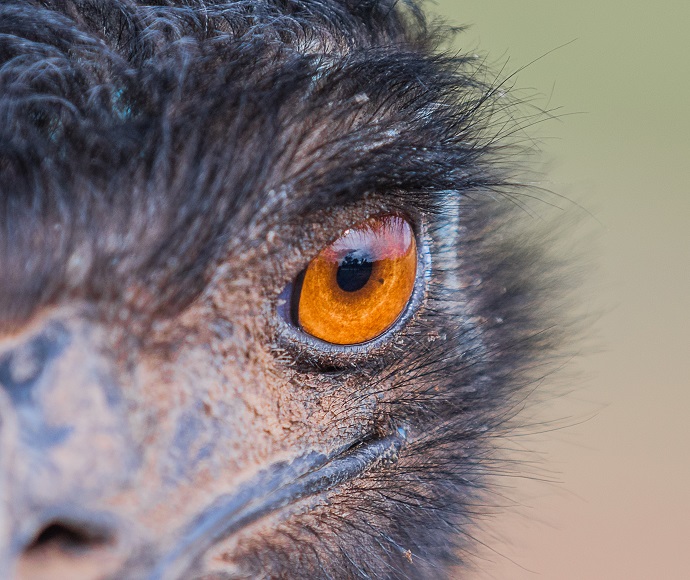
Coastal emu from the endangered population on the North Coast of New South Wales. -
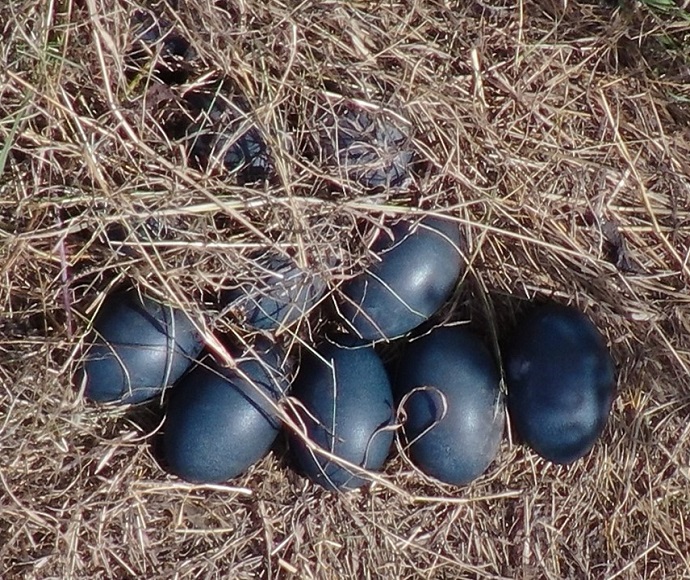
Predation on eggs and young by feral pests is a key threat to coastal emus on the North Coast of New South Wales. -
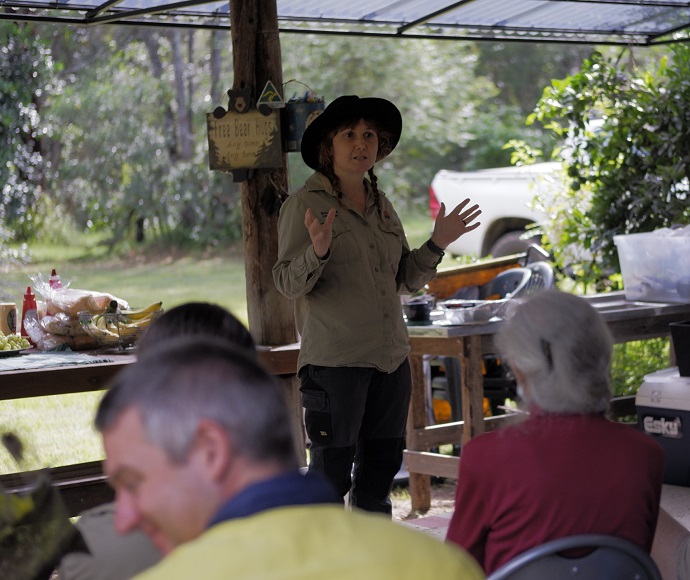
A Saving our Species staff member gives a talk at a community event. -
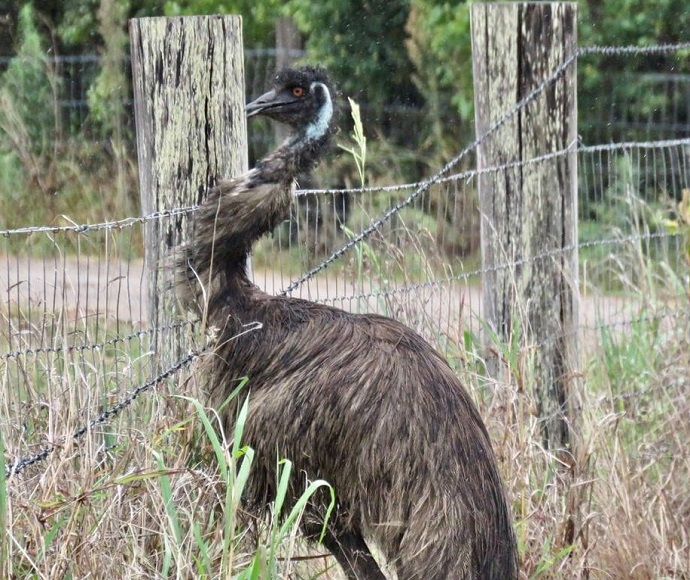
Certain types of fencing can limit the movement of the coastal emu.
Stay in touch
- Subscribe to the Saving our Species newsletter.
- Follow us on Facebook, Instagram, YouTube, LinkedIn or X.
- Search the Public register of Saving our Species conservation strategies.