
What is the Saving our Species program?
Many ecosystems across New South Wales are showing signs of collapse, and our native species are threatened with extinction.
Saving our Species is working today so we can secure our native plants, animals and ecosystems for generations to come. The program protects, monitors and conserves plants and animals in ways that reflect their ecology and the threats they face.
Under the Biodiversity Conservation Act 2016, New South Wales must operate a Biodiversity Conservation Program to maximise the long-term security of all threatened species and threatened ecological communities in nature.
Saving our Species sets the framework for conservation on private land and national parks, on crown land and council reserves. It outlines management actions needed to secure these species in the wild for the next 100 years.
The Saving our Species program:
- works with experts and uses independent, peer-reviewed science
- delivers targeted projects to save threatened plants and animals.
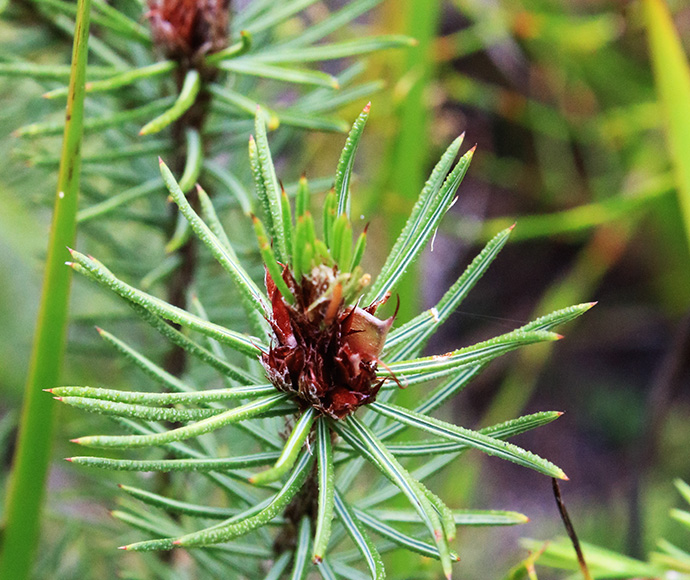
Find out how we manage threatened species in different ways depending on what we know about their ecology and threats.
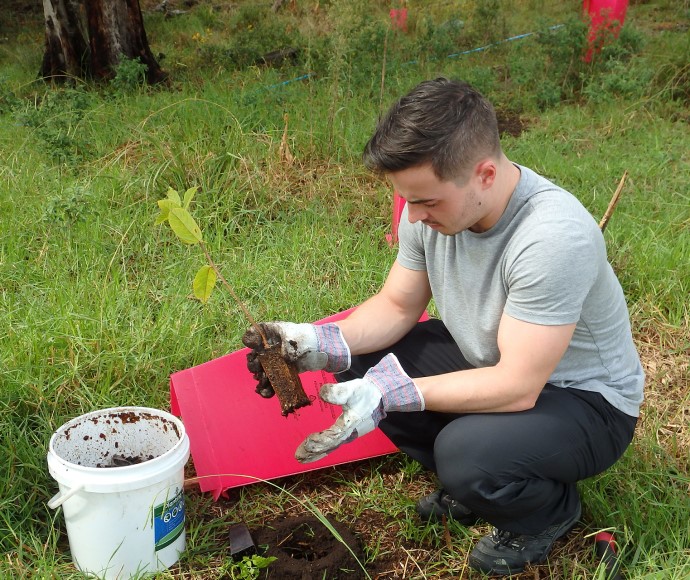
Learn how we use strategic research, adaptive management and the best evidence available to improve conservation outcomes for threatened species and ecological communities.
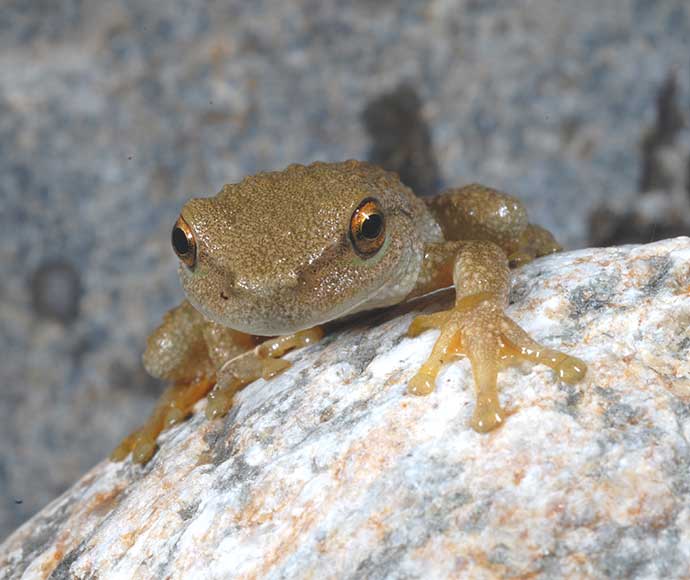
Stay informed about our work with our yearly reviews, report cards and other resources.
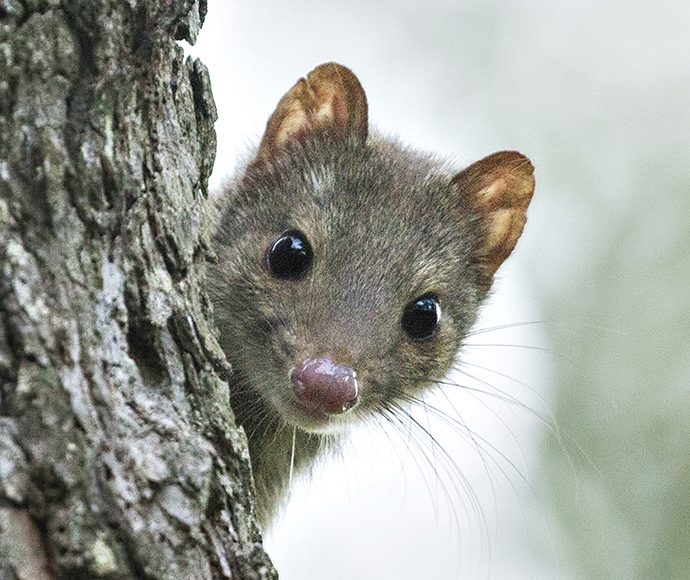
Start a conversation about conservation and help secure our biodiversity for future generations.
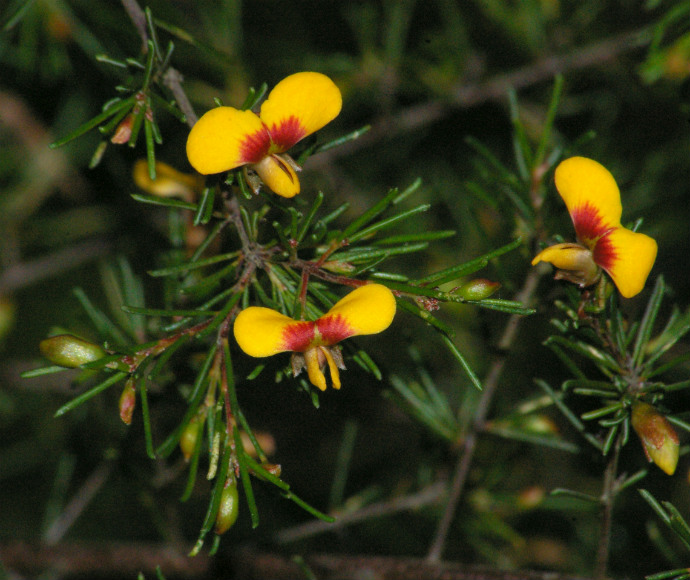
Stay in the loop with the latest news and updates from our threatened species conservation projects.
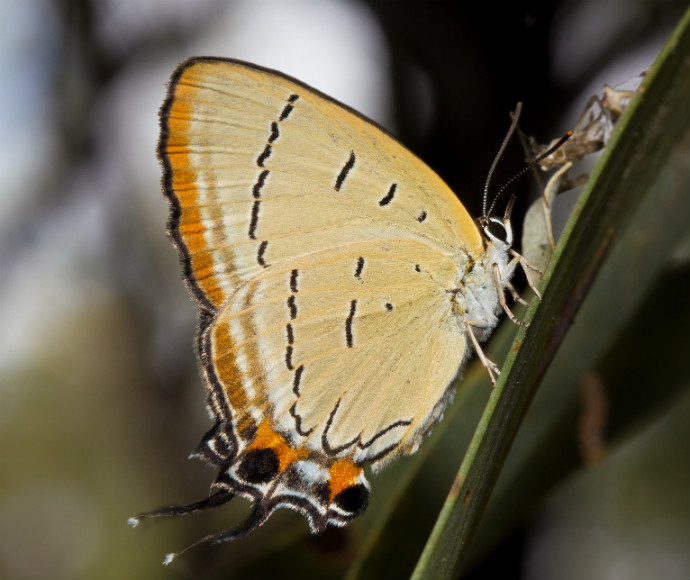
Learn about NSW threatened species through our education and project resources.
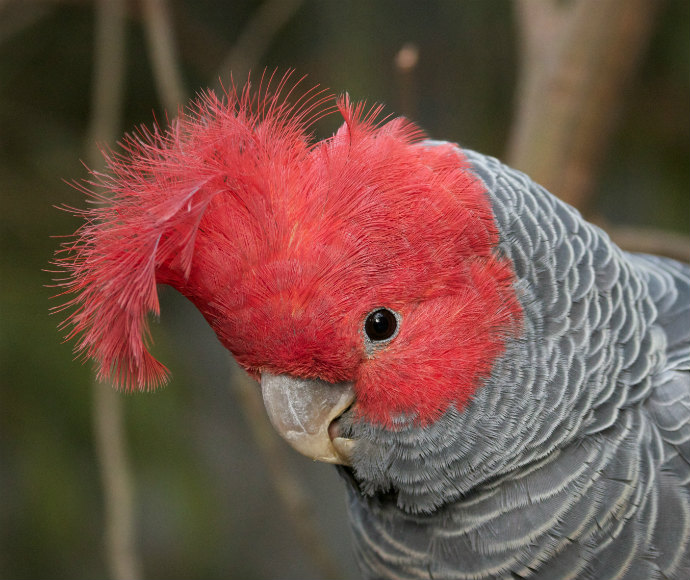
Search the public register for strategies for NSW threatened species, ecological communities and some key threatening processes.
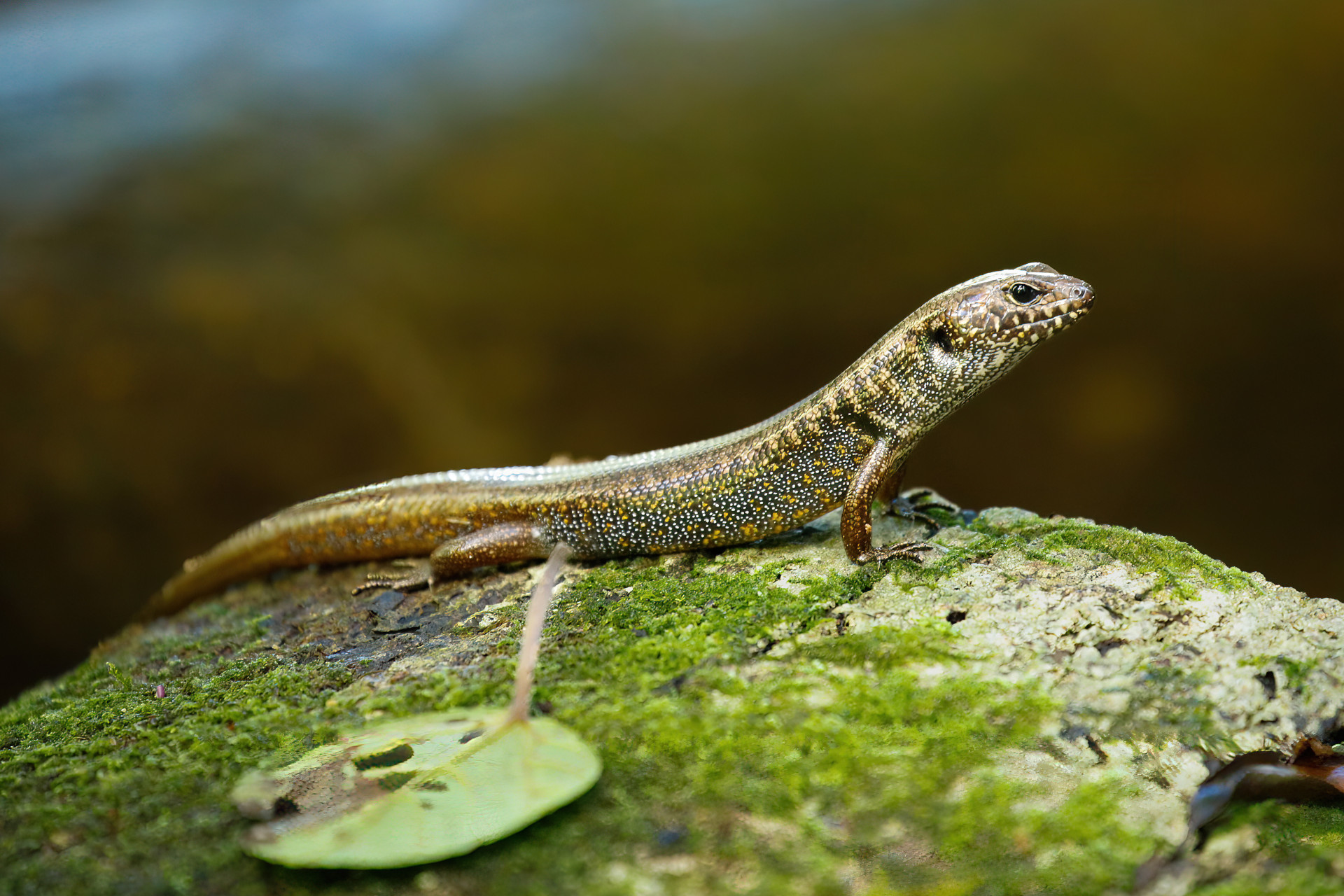
Search our Saving our Species publications.
Contact us
Saving our Species Program
Email: [email protected]
Stay in touch
- Subscribe to the Saving our Species newsletter.
- Follow us on Facebook, Instagram, YouTube, LinkedIn or X.
- Search the Public register of Saving our Species conservation strategies.