Illawarra lowlands grassy woodland is found between the escarpment and the sea in Wollongong, Shellharbour, Kiama and the Shoalhaven. You can find it down your street or even in your backyard!
Only 12% of this once extensive bushland survives. It’s growing in tiny patches like a jigsaw across our suburbs and is at risk of disappearing. Continuing threats to its survival include clearing for houses and roads, weed invasion, grazing and trampling by pest and domestic animals.
-

Illawarra lowlands grassy woodland exists in our urban areas -
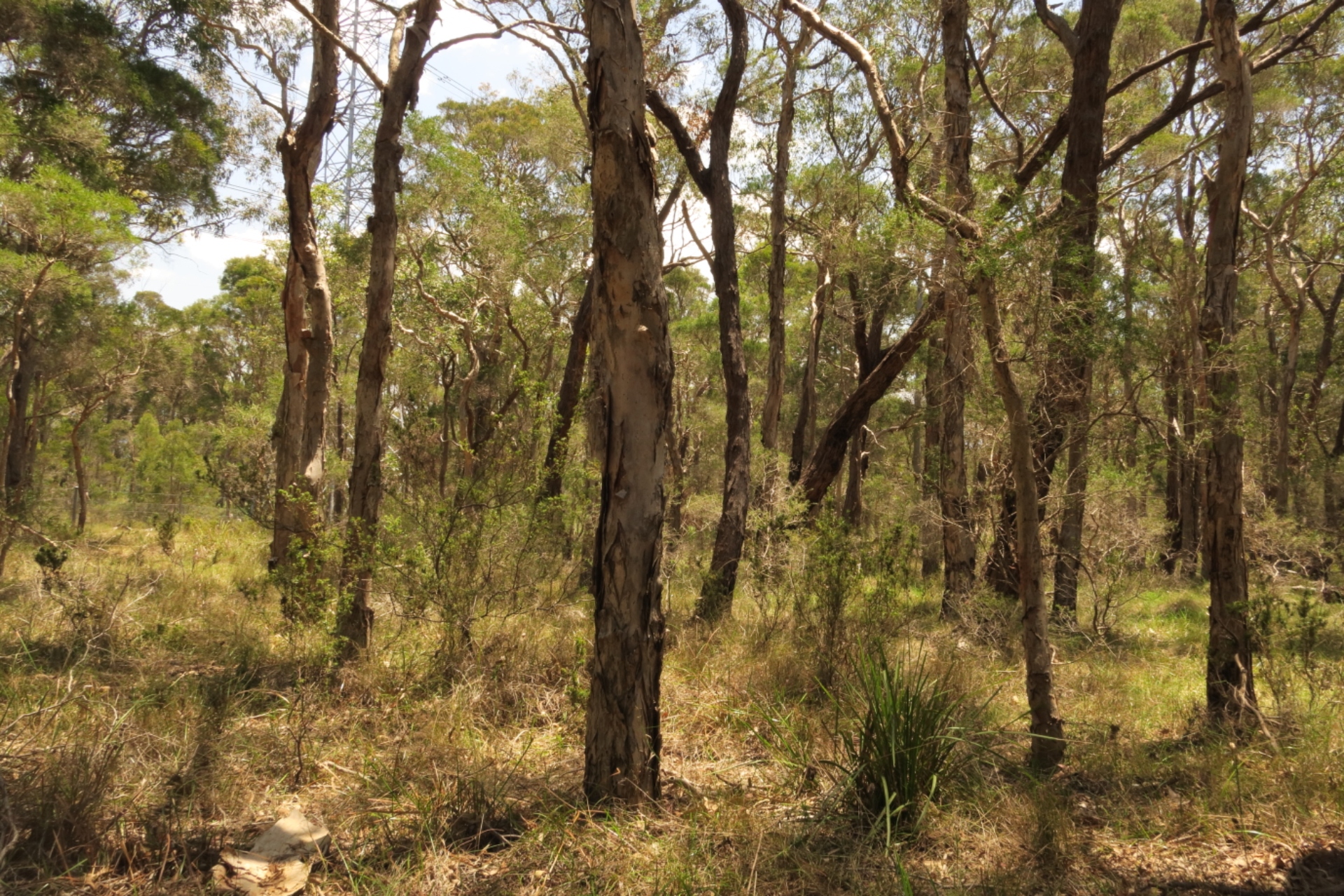
Native grasses are a dominant feature of the Illawarra lowlands grassy woodland
The Guardians of the Grassy Woodland project includes actions everyone can take to restore and connect remnants of this threatened plant community. By working together, we can secure the survival of grassy woodland in the Illawarra–Shoalhaven landscape.
You can become a Guardian of the Grassy Woodland by:
- planting natives in your garden to attract native pollinators and birds
- ensuring weeds don’t escape from your backyard into native bushland
- recording plants, animals and fungi you see in nearby reserves using the NatureMapr app
- keeping your cats indoors.
Illawarra lowlands grassy woodland
The grassy woodland threatened ecological community is different from rainforests and denser forests. There is more space between the trees, which allows light to filter through to the ground. Native grasses and tiny flowers are then able to flourish, creating an intricate and diverse understorey.
Walking through these patches of bush, you will pass under majestic forest red gums, smell the spicy tang of shrubs and grasses, and see delicate native orchids growing in the spaces between the grass. These pockets of grassy woodland are brimming with biodiversity. In any one patch you might find little bent-wing bats, feathertail gliders, eastern blue-tongue lizards, swamp wallabies and powerful owls.
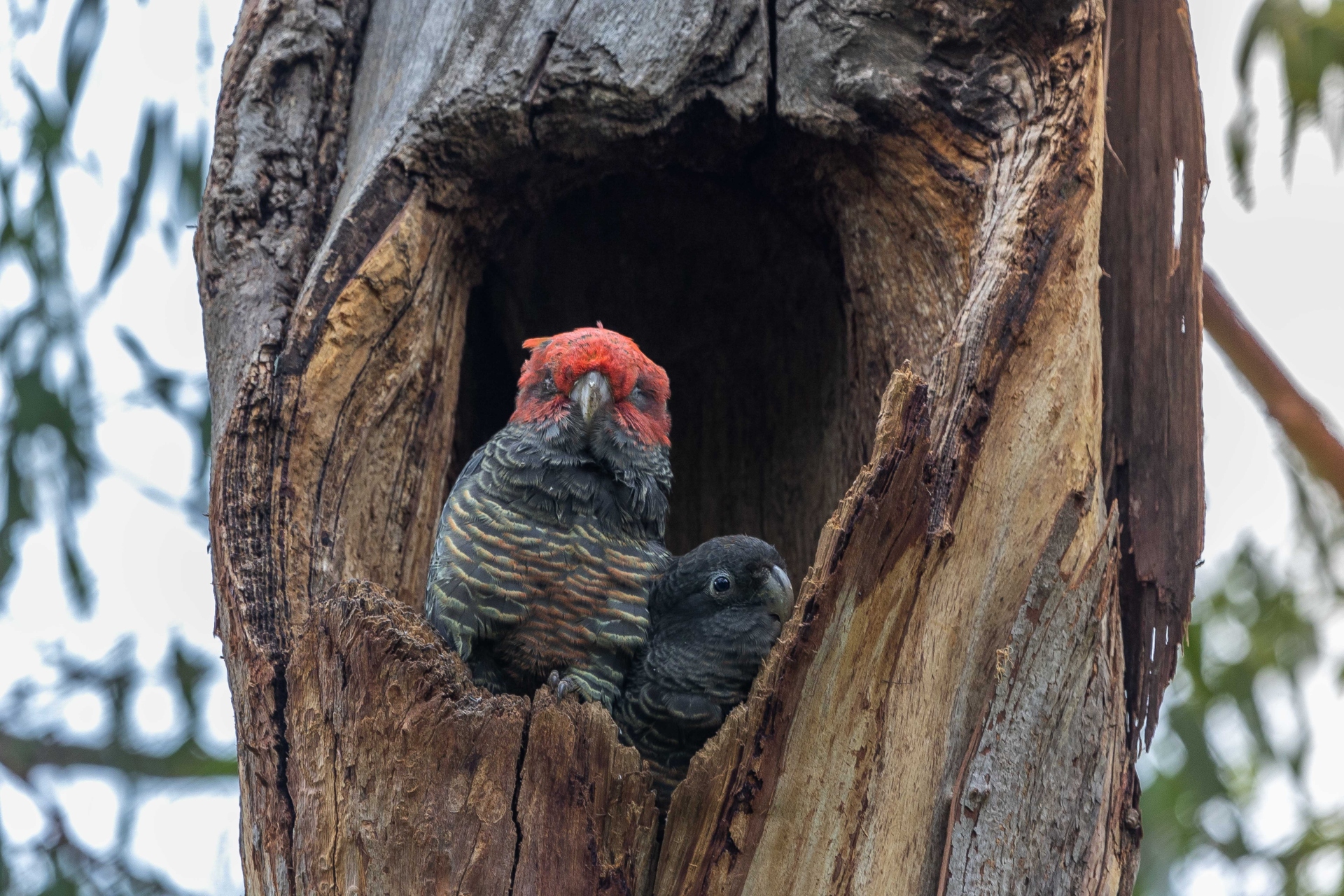
The grassy woodland is filled with tree hollows and seed-bearing grasses which host a variety of native birds, including rosellas, finches and robins. Other creatures like the echidna and jacky dragon also call the woodland home, as there is plenty of shelter and there are insects to forage.

Private landholder support
Do you have large old trees or patches of native grasses on your farm or acreage? Do you want to see an increase in beneficial birds and animals to help control insect pests on your land, or trees to shade your stock from wind and sun?
We have resources available to support private landholders to protect and enhance the grassy woodland. This includes plant giveaways, fauna surveys, weed removal, pest animal control and support for fencing and planting.
To register your interest, email us at [email protected].
How you can help
- Retain native trees on your land such as eucalypts or paperbark trees. Many species of birds, mammals and reptiles depend on hollows that only form in large old trees.
- Plant trees on your block to form shelterbelts and include grassy woodland species.
- Protect established woodland patches on your land to form ‘habitat islands’.
- Record woodland species you see on your property using the NatureMapr app.
- Learn to manage stock rotation to support native grassland, using resources like the free courses supported by the Biodiversity Conservation Trust – Tocal College.
Microbats
Urban bushlands and reserves are important for the health of humans and wildlife, but do you really know who’s living just beyond your back doorstep? Join us for a night of bat surveys in the Illawarra lowlands grassy woodland.

Microbats are tiny and can be anywhere from 4 cm to 20 cm in length. The smallest species can weigh less than a tablespoon of water.
You don’t often see them as they move quickly and silently, each consuming thousands of insects in one evening. Did you know the more microbats in your area, the lower the number of mosquitoes munching on you at your next barbecue? This is just one advantage of having these secretive bats in your suburb!
In the Illawarra, these nocturnal creatures rely heavily on the Illawarra lowlands grassy woodland, especially in urban reserves. The woodland contains a huge variety of plants, which support all kinds of insects crucial for the microbats’ diet. Our woodland trees also contain areas essential for roosting bats to shelter during the day, under bark and in tree hollows.
How you can help
- Keep your cat indoors from dusk until around 8 am.
- Reduce outdoor lighting, which can disrupt the navigation, roosting and feeding of bats.
- Help us understand how bats are using urban spaces by getting involved in the Bats in the Backyard citizen science project. You will be supplied with a bat detector device to help us survey insect-eating bats on your property or a local reserve. To register your interest, email us at [email protected].
Attracting native bees and birds to your garden
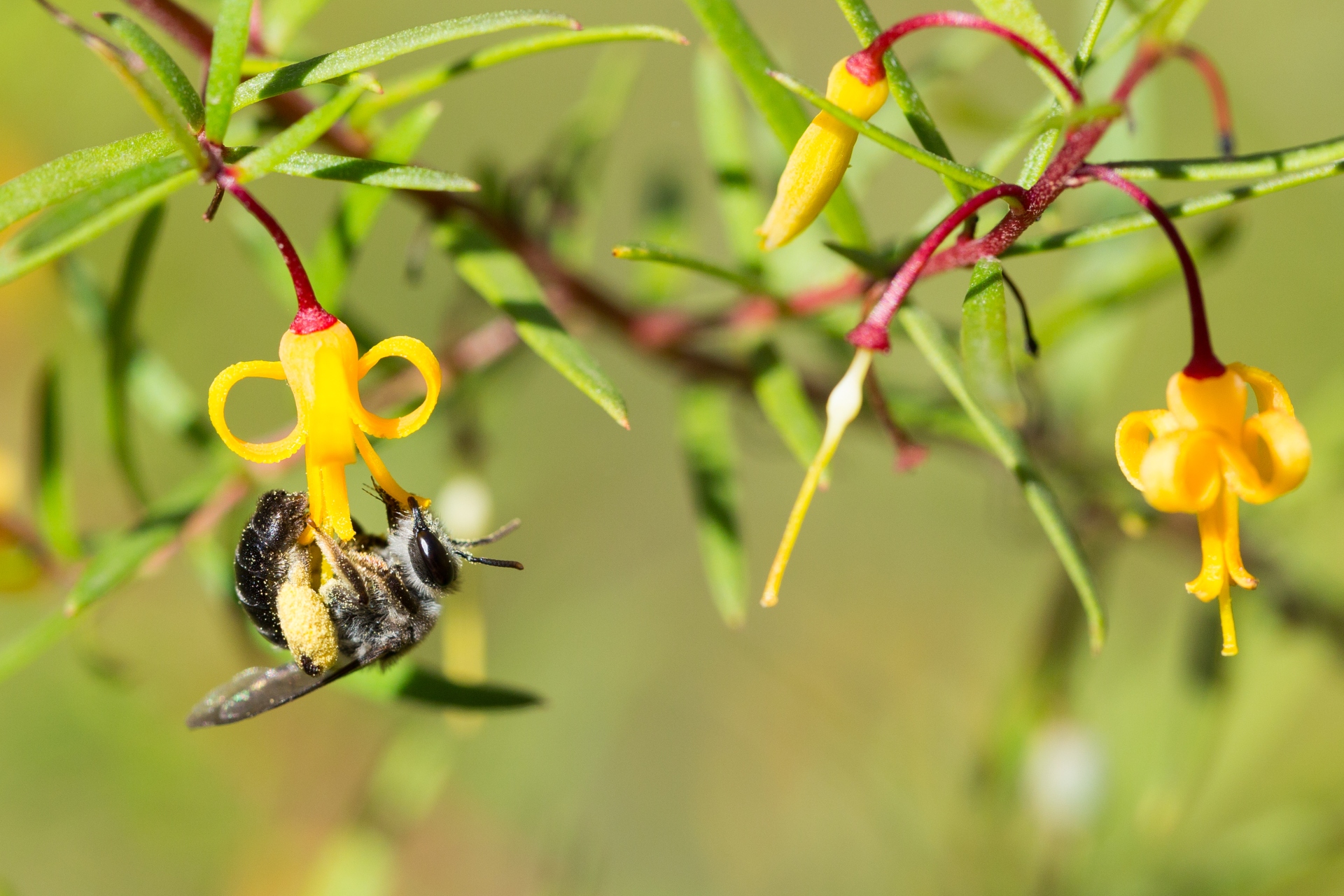
Our cities and towns can be buzzing with people and pollinators, if we just increase the diversity of plants around us. With urban development putting pressure on grassy woodlands, our street verges, parks and gardens can become havens for native animals in our suburbs.
By planting 10% to 30% more understorey, there can be a 30% to 120% increase in native birds, bats and insects. This understorey needs to include a mix of shrubs, flowers, perennial herbs, native grasses and ground covers. By boosting understorey in our urban green spaces, we create stepping stones for animals, birds and bees to travel across the landscape.
How you can help
- If you live in an area that was once Illawarra lowlands grassy woodland, plant woodland species in your garden. They make attractive garden plants and will encourage insect-eating birds to your garden or native pollinators like the blue-banded bee.
- Plant out your verge to make an urban meadow, in line with local council guidelines.
Native grasses
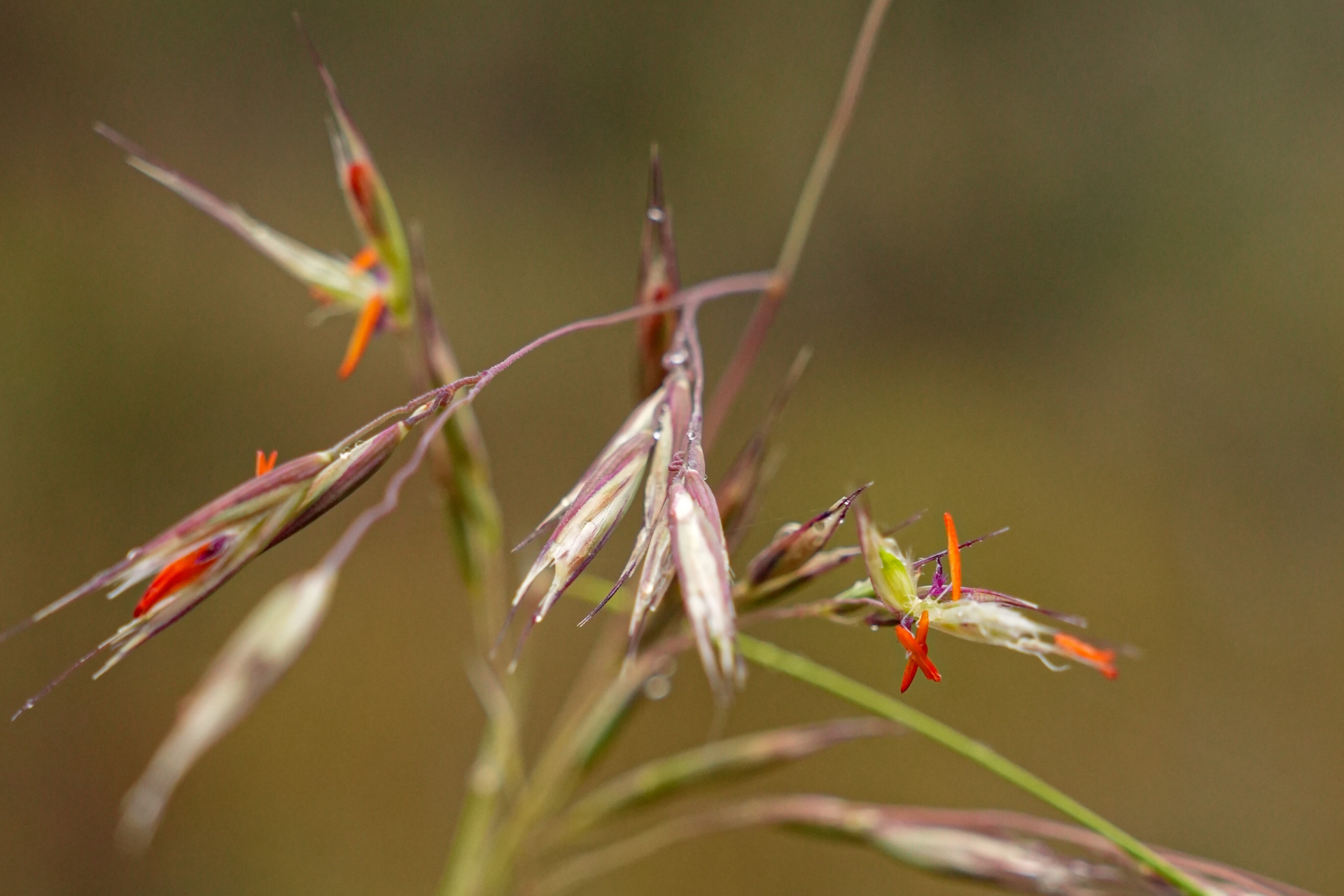
Wander through the urban reserves from Wollongong to the Shoalhaven and one of the first things you will notice is the variety of native grasses. The very name ‘grassy woodland’ comes from the distinctive grasses which carpet the ground beneath the tall eucalypts.
Many native grasses have intriguing and descriptive names:
- hedgehog grass (Echinopogon ovatus), with its spiky seed-heads
- kangaroo grass (Themeda triandra), which provides shelter for small mammals, lizards, insects and frogs
- barbed wire grass (Cymbopogon refractus), with flower heads that match its name. The seeds from barbed wire grass are crucial for seed-eating birds.
One of the biggest threats to native grasses is weeds, as exotic plants quickly outcompete native species. It’s not just traditional weeds; some garden plants can become weeds if they escape your backyard.
Mother-of-millions (Bryophyllum) is a drought-hardy garden succulent. It’s common in our flower beds and gardens, but once in the bush grows rampant.
Ground asparagus (Asparagus aethiopicus) is another common garden plant due to its striking foliage. It’s now a major problem weed and can take over a large amount of space with just a few plants.
How you can help
- Find out if your garden plants might become 'garden escapees' at NSW WeedWise.
- Swap exotic plants for native grassy woodland species. Many make attractive garden plants and as a bonus will encourage native bees and birds to your backyard.
- Weed your garden or street verge knowing you are helping protect grassy woodland species.