Me-Mel Goat Island is of exceptional heritage significance and is deeply connected to Sydney's history.
Early colonial records indicate in the 18th century, the island was associated with Bennelong; in the 19th century it was associated with Australia's convict and military history and in the 20th century the island was a key part of Sydney Harbour's maritime operations. These phases of history are reflected in the natural and built environment of the island.
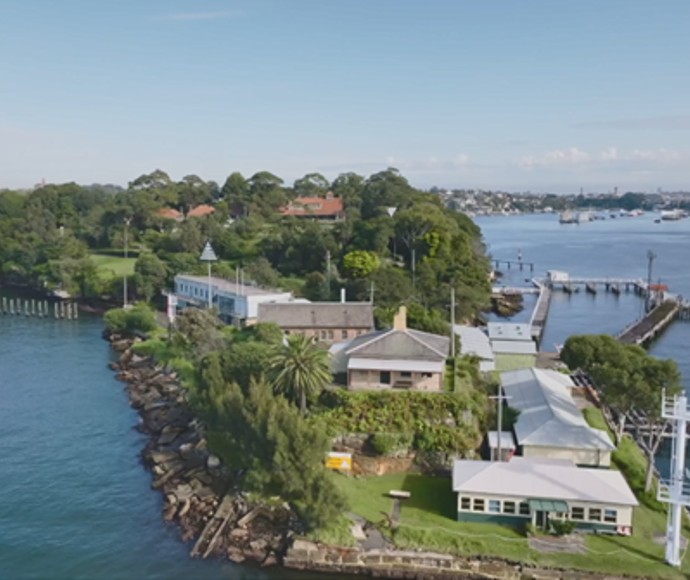
Remediation and conservation program
The NSW Government has committed $42.9 million for remediation, conservation, and upgrade works at Me-Mel to support the island's transfer to Aboriginal ownership, governance and management.
Learn more about the NPWS remediation and conservation program in this video with NPWS Director Greater Sydney Branch, Deon van Rensburg.
Progress of remediation
The NSW National Parks and Wildlife Service (NPWS) has completed the following repair and remediation works:
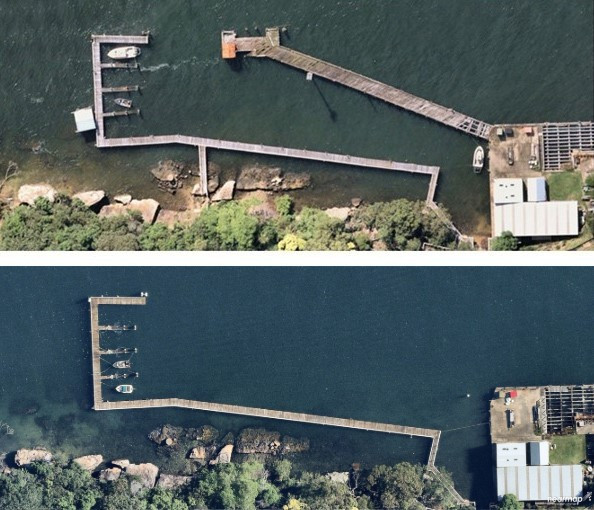
- removed dilapidated wharves, including the Ferry Wharf, part of the Northern Broadside wharf and part of the Western Broadside wharf
- repaired the Small Boat Pens
- removed the former Port Emergency Services amenities building
- replaced damaged slate tiles on the barracks, powder magazine and cooperage
- desalinated and re-limewashed the internal powder magazine walls
- installed smoke detectors in buildings across the island
- removed several non-significant coral trees which were destabilising early 19th-century retaining walls
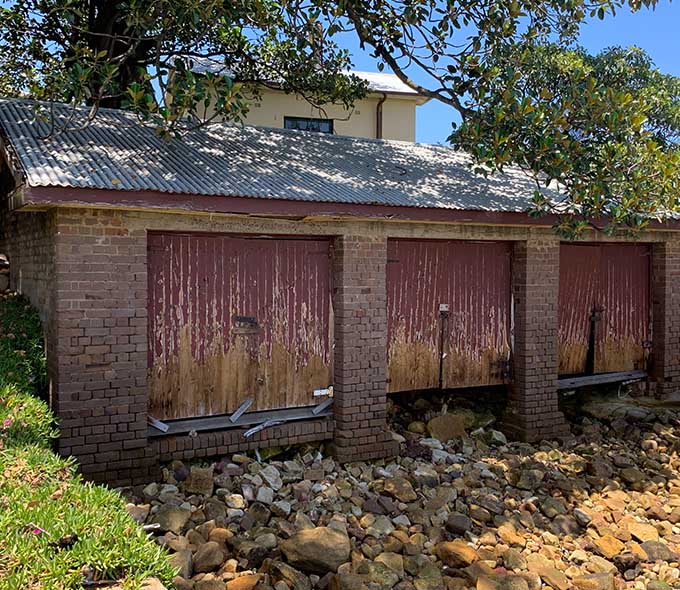
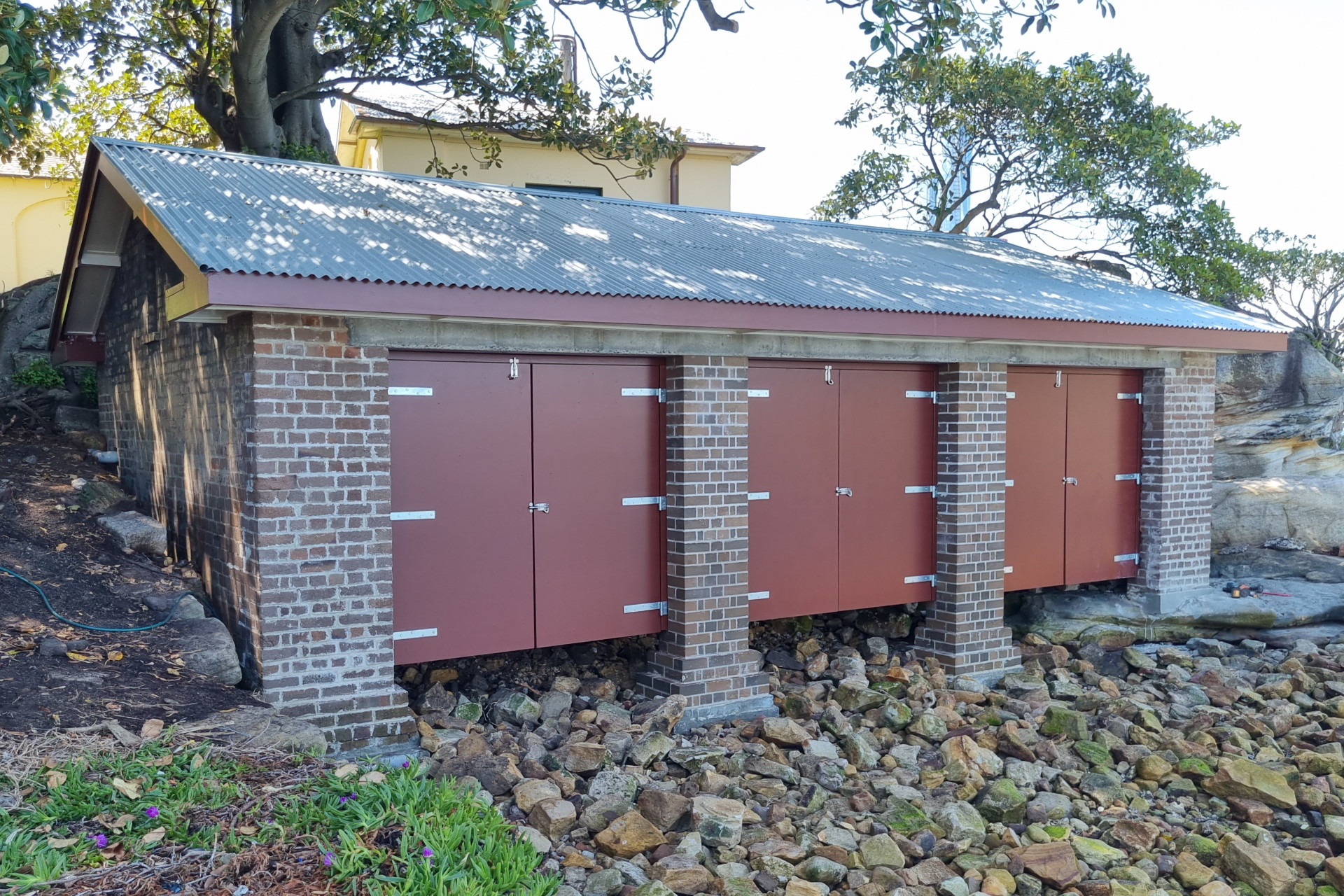
- repaired the 1940s boatshed
- removed redundant underground sewerage infrastructure and reinstated the original ground surface level between the barracks and the barracks kitchen
- repaired the bridge over The Cut.
Over the next 12 months, NPWS will:
- complete maintenance and repair works to meet minimum standards of maintenance and repair to the 1838 Water Police Building, 1865 Cottage and 1912 Fire Brigade Barracks
- commence the removal of the Tower Crane jib
- commence sandstone conservation works to the sentry wall and sentry box
- commence maintenance and repair works to meet minimum standards of maintenance and repair to the 1902 Harbour Master’s Residence
- remediate contaminated soil in the South Depot precinct.
Proposal to remove the tower crane rotary jib
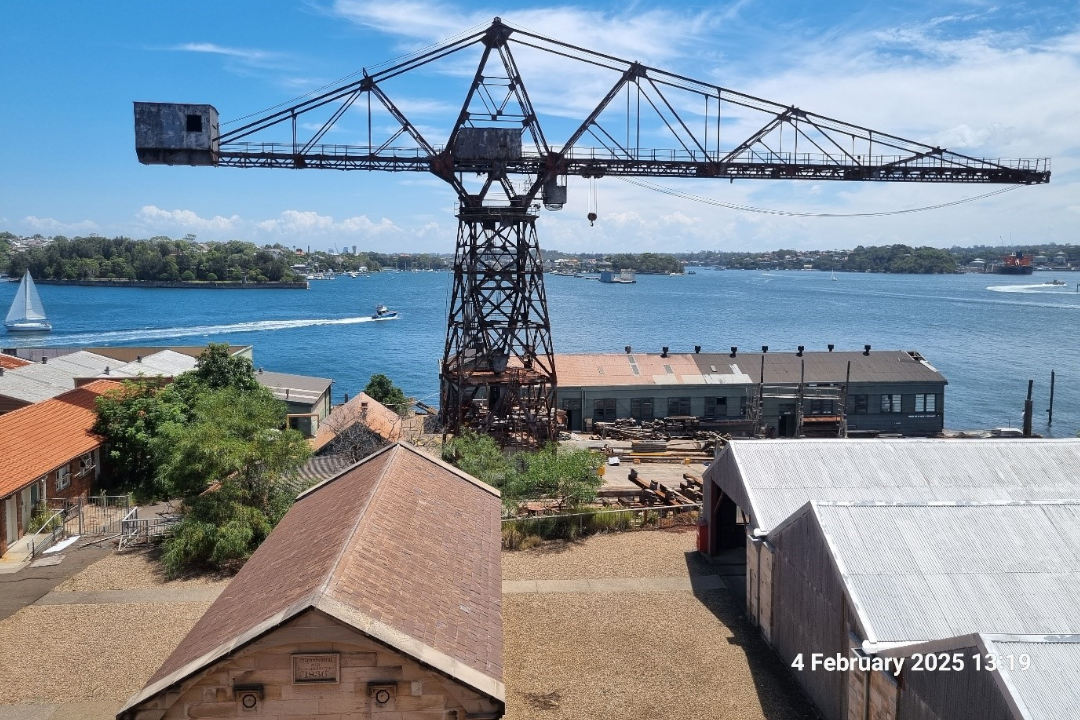
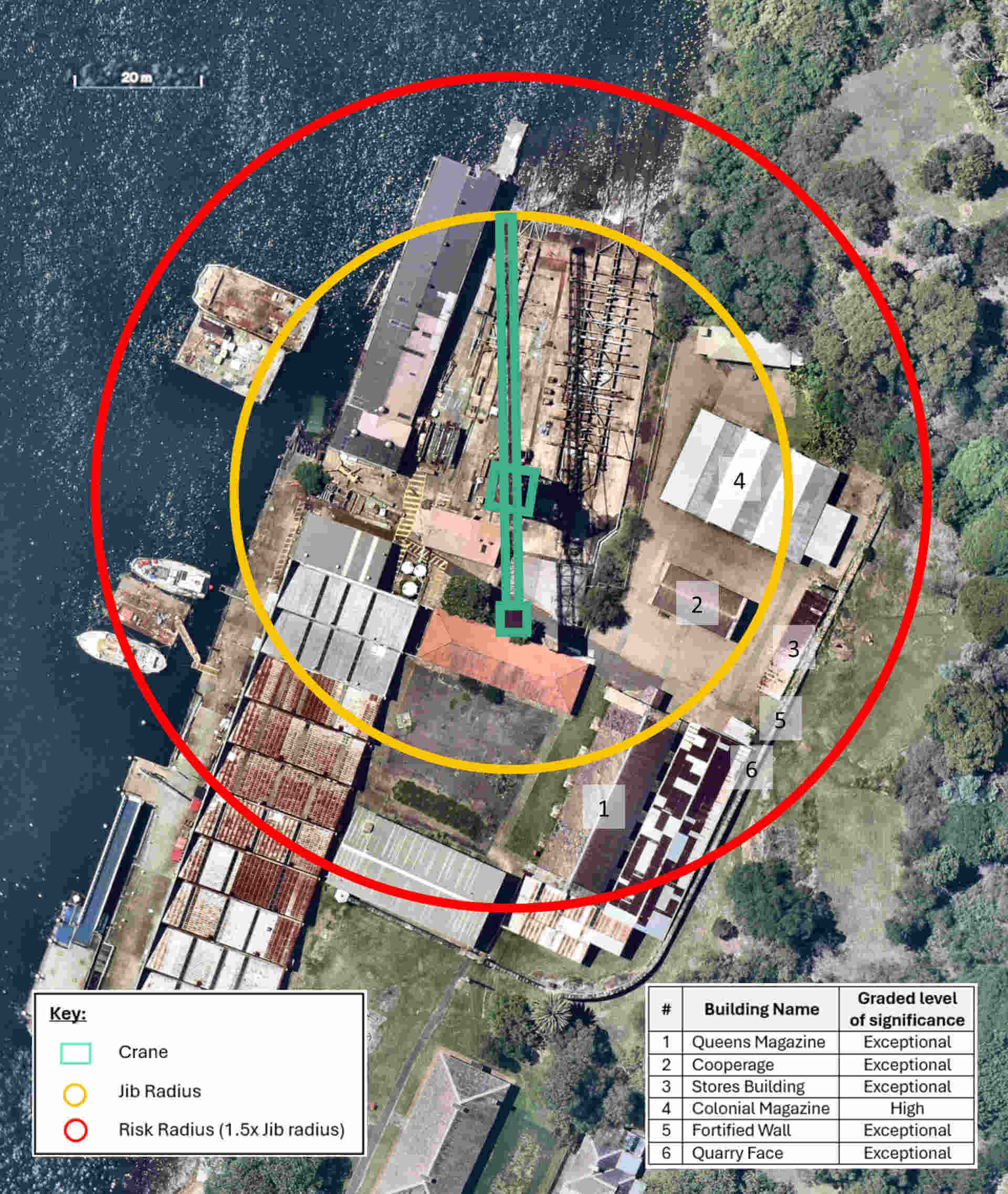
The NSW Heritage Council has approved NPWS's proposal under section 60 of the Heritage Act to dismantle and remove the cantilever rotary jib and upper tower from the Goat Island 4–10 ton fixed electric tower. NPWS will retain significant elements of the jib, such as the hook and gantry trolley, for future interpretation.
The crane is in disrepair, poses a high-risk safety hazard to people and other exceptionally significant heritage buildings on the island, contains hazardous materials, and is at risk of causing falling debris. Due to NSW Work Health and Safety legislation, the crane cannot be returned to service, even if repaired.
Old ferry wharf
The old timber ferry wharf was unsafe and could not be used or economically repaired. Marine biologists inspected the ferry wharf piles and determined that no significant marine species would be affected by the removal of the wharf piles.
Port Emergency Services building
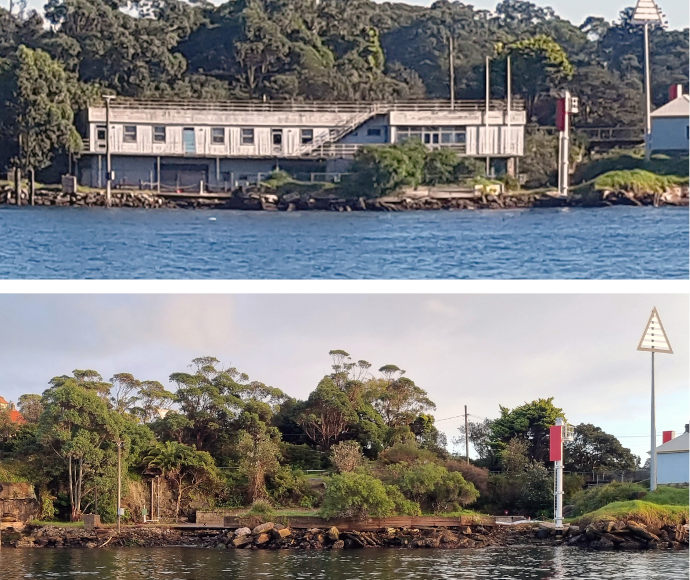
The former Port Emergency Services amenities building, of moderate heritage significance, was dilapidated, unsafe and unable to be used. The original construction utilised lightweight, economical materials which were in poor condition. Alterations made to the building in the 1990s were intrusive and non-durable, and the stairs and balustrades did not comply with current safety or engineering standards.
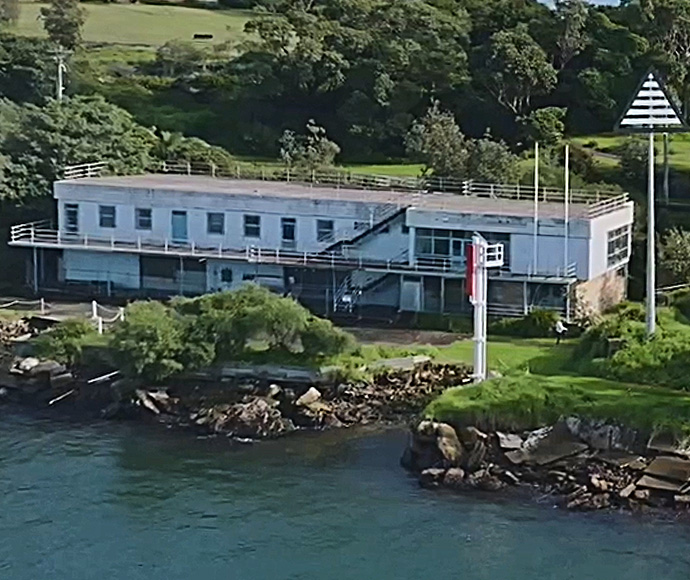
The building obscured visual appreciation of the north-eastern shoreline including 'The Cut' – a channel carved through the island by convicts to separate the Water Police Building from the main island.
The Heritage Council of NSW approved the removal of the building, and the process has been completed now. Areas of contaminated soil around the building will now be remediated.
Boat Shed repairs
Constructed in 1943, the Goat Island boat shed has served various purposes over the decades, including its current role in housing the island's sewerage overflow tanks. The boat shed is located on the southwestern edge of the island subject to the harsh marine environment and increasing wave action and tides, which has caused damage to the brickwork and structural instability.
Between April and October 2024, National Parks and Wildlife Service removed the asbestos eaves, installed new brick and concrete piers, replaced the corroded roof iron, repaired joinery, repointed damaged masonry and replaced the doors.
Managing the island's heritage
All repair and remediation works are subject to assessments of impact and supported by the Goat Island conservation management plan.
All works on the island not covered by standard or site-specific exemptions require approval under the Heritage Act 1977.