Monitoring elusive threatened species across New South Wales
Scientists from the Saving our Species (SoS) program use motion-triggered cameras to capture the presence, number and activity of these threatened species. Once the cameras detect movement, they take a burst of images, which are then downloaded and tagged to identify the animal that has triggered the camera. Scientists can then use this data to monitor threatened species, fill knowledge gaps, and inform on-ground conservation programs.
However, there is a problem. The cameras take many more photos than can be processed by scientists alone – this is where you can help.
Scientists are uploading images onto DigiVol, a crowdsourcing website created by the Australian Museum in collaboration with the Atlas of Living Australia. You can now go to DigiVol to begin identifying what animals have been captured within these images.
All you need to take part is access to a computer and an internet connection. There are user-friendly guides to help you navigate the system and learn how to identify the animals.
By tagging the animals in the images as a citizen scientist, you are directly contributing data to scientists that are responsible for conserving our threatened species.
Which projects can I contribute to?
Mountain pygmy-possum
The Saving our Species mountain pygmy-possum project uses a number of camera traps to monitor visitors at special feeding and watering stations that are distributed throughout their habitat. These feeding and watering stations were put out after recent bushfires burnt the pygmy-possum’s habitat, leaving little food available for them to fatten up before they go into hibernation over the winter.
Information from these monitoring cameras, processed by you as a citizen scientist, will help us see how many pygmy-possums have survived the fire, how frequently they use the feeders and which other species within their habitat also use them. This will inform how we conduct these food and water drops after the pygmy-possums come out of hibernation in the spring.
Pygmy-possums are cute, furry and a little bit cheeky, so sign up to help contribute to the conservation of such an amazing little marsupial. You can find this project on DigiVol.
-
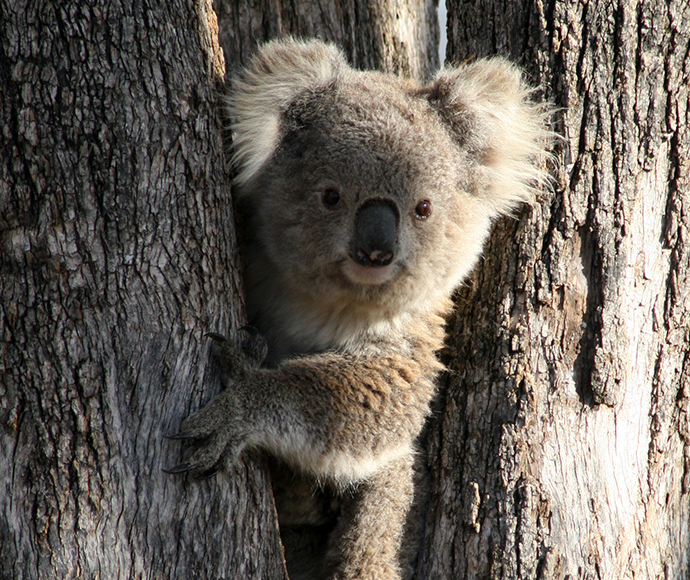
Koala sitting in the bough of a tree. -
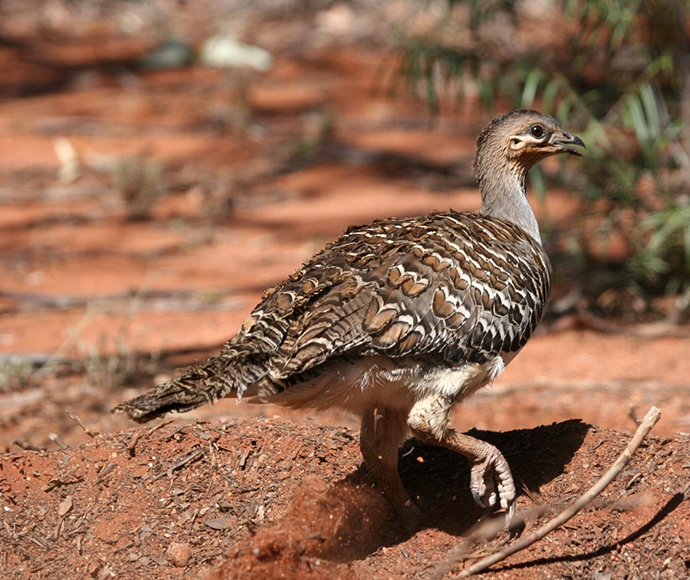
A malleefowl scratches in the soil -
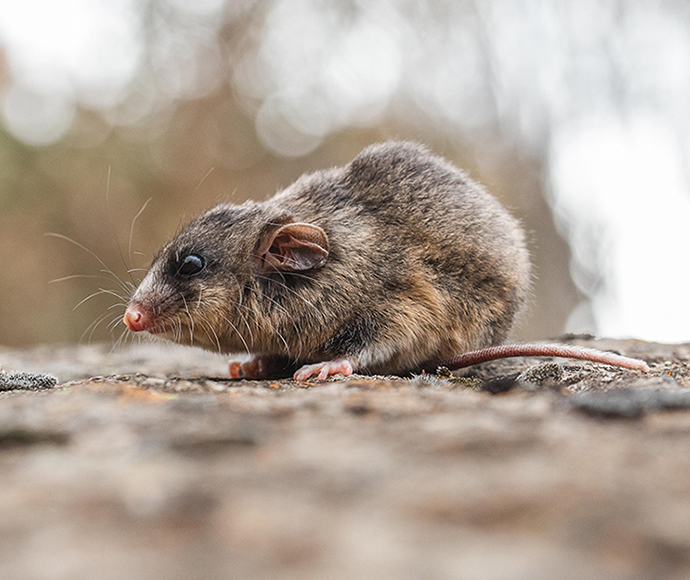
A mountain pygmy-possum rests on the ground -
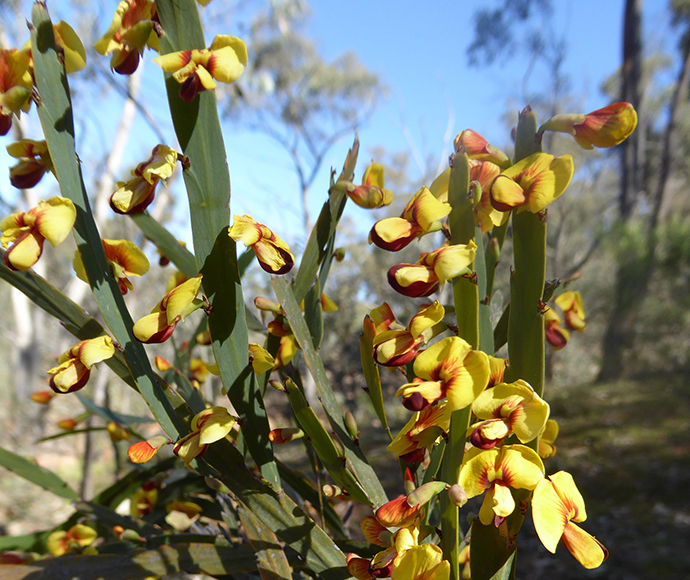
Bossiaea fragrans flowers in a bushland setting
Improving citizen science data output
The Citizen Science team has analysed citizen data from a recent malleefowl project to investigate the accuracy of participants identifying animals in images captured by camera traps.
In 2018–19, the NSW Saving our Species program contributed to upgrading the DigiVol website, along with the Australian Museum and CSIRO, to improve user experience and output data quality. The upgrades to the website implemented a multi-transcription and auto-validation system to improve transcription accuracy by implementing a system where an image is viewed by multiple participants. If an image is viewed and transcribed identically by multiple participants, the image is auto-validated by the DigiVol system.
We used this new system to analyse 1,900 auto-validated images from the malleefowl project and found that citizen scientists were transcribing images accurately 99.47% of the time. This is a great result – well done to our citizen scientists.
How to sign up
Contributing to Saving our Species is simple:
- Create your account on DigiVol.
- Search for 'Saving our Species' on the institution page and choose a Saving our Species project.
- Choose from the expeditions listed, click the 'View tutorial' button to read the instructions and then get started tagging images.