About the panel
The Biodiversity Conservation Advisory Panel (BCAP) is established under section 14.2 of the Biodiversity Conservation Act 2016. Schedule 2 of the Biodiversity Conservation Regulation 2017 governs the provisions relating to the members and procedure of the panel.
The Biodiversity Conservation Advisory Panel is to consist of not less than 5, and not more than 8, members appointed by the Minister. The panel members are to have the qualifications and expertise that the Minister considers appropriate for the panel's work.
Currently, the Biodiversity Conservation Advisory Panel consists of 7 members, who were appointed in December 2023 and October 2024. They have expertise in biodiversity conservation, international policy and research, climate change impacts and adaptation, ecologically sustainable development, land use planning, natural resource management, environmental science, planning, economics, Aboriginal land management practices and policy implementation.
Panel members
Dr Ian Cresswell – Chairperson
Dr Cresswell is an Adjunct Professor in the School of Agriculture and Environment at the University of Western Australia. Dr Cresswell has extensive experience working in environmental science in biodiversity conservation and discovery, wildlife regulation, protected areas and oceans governance. He was the lead author of the biodiversity chapter of the Australian State of the Environment Report 2016, and co-Chief Author of the Australian State of the Environment Report 2021.
Dr Cresswell has a demonstrated history of working across government, industry and community to achieve conservation and sustainable development outcomes. He has expertise in biodiversity, environmental regulation, natural resource management, and coastal ecology. Dr Cresswell holds a PhD in Environmental Science from Murdoch University.
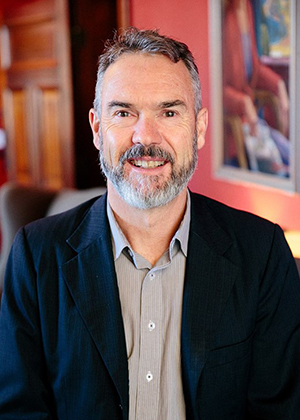
Professor Michelle Leishman
Professor Leishman is a Distinguished Professor and Director of the Smart Green Cities Research Centre at Macquarie University and was a member of the expert panel that led the statutory review of the Biodiversity Conservation Act 2016.
She is an expert in plant ecology and conservation biology. Professor Leishman has experience working with industry and government to implement policy advice.
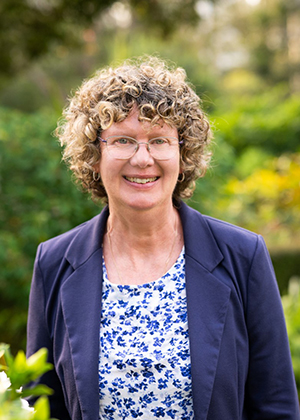
Mr David Major
Mr Major is a Yuin Maneroo man from south-east New South Wales and has worked in land and heritage management for more than 25 years. He has worked both within government and as a consultant in New South Wales, the Australian Capital Territory and Victoria.
David is an experienced facilitator, executive coach and leadership educator through his work as co-founder of Thirriwirri and First Peoples Leading. David has a passion for supporting community leadership and capability and has spent most of his career developing strategic approaches to community, government partnerships and co-design.
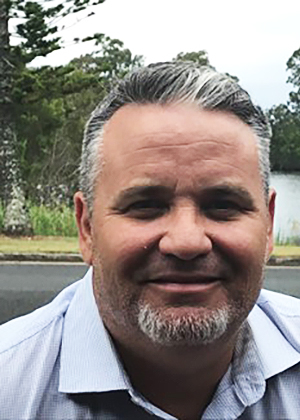
Dr Ben Milligan
Dr Milligan is a Scientia Fellow at the University of New South Wales (UNSW), Director of the UNSW Centre for Sustainable Development Reform, and Secretariat Director of the Global Ocean Accounts Partnership.
He has served as member of the Expert Group advising the High-Level Panel for a Sustainable Ocean Economy, UN International Resource Panel Working Group on Mineral Resource Governance, and UK Government Chief Scientific Advisor's delivery team for the 'Future of the Sea' review.
Dr Milligan has specialist expertise in legislative and policy design for natural capital and ecosystem services, and accounting for the socioeconomic implications of biodiversity conservation.
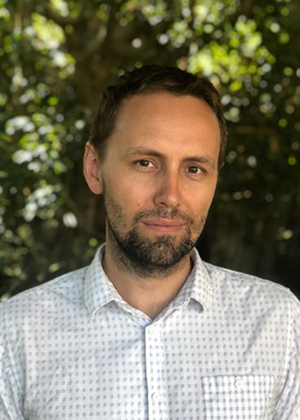
Dr Kate Wilson
Dr Wilson previously served as a senior executive within the Department of Climate Change, Energy, the Environment and Water and NSW Treasury for 13 years. She has experience advising the Minister and agency heads on matters relating to biodiversity conservation, ecologically sustainable development and land use planning.
Her expertise lies in the application of science in policy and programs, and she is particularly interested in the intersection between biodiversity, natural capital and climate change.
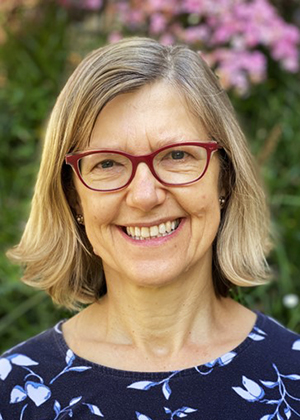
Miss Camille Goldstone-Henry
Miss Goldstone-Henry is a multi-award winning tech entrepreneur, conservation scientist and Kamilaroi woman.
Her work as a conservation scientist with endangered species all around the world inspired her to co-found Xylo Systems, an award-winning biodiversity tech platform that helps businesses measure and manage their biodiversity footprint.
Her unwavering commitment to biodiversity and innovation has earned her numerous accolades, including The Australian’s Top 100 Green Power Players, Vogue's Future Innovators and Women’s Weekly's Woman of the Future. She also serves as a board member of WWF Australia, contributing her expertise to global conservation efforts.

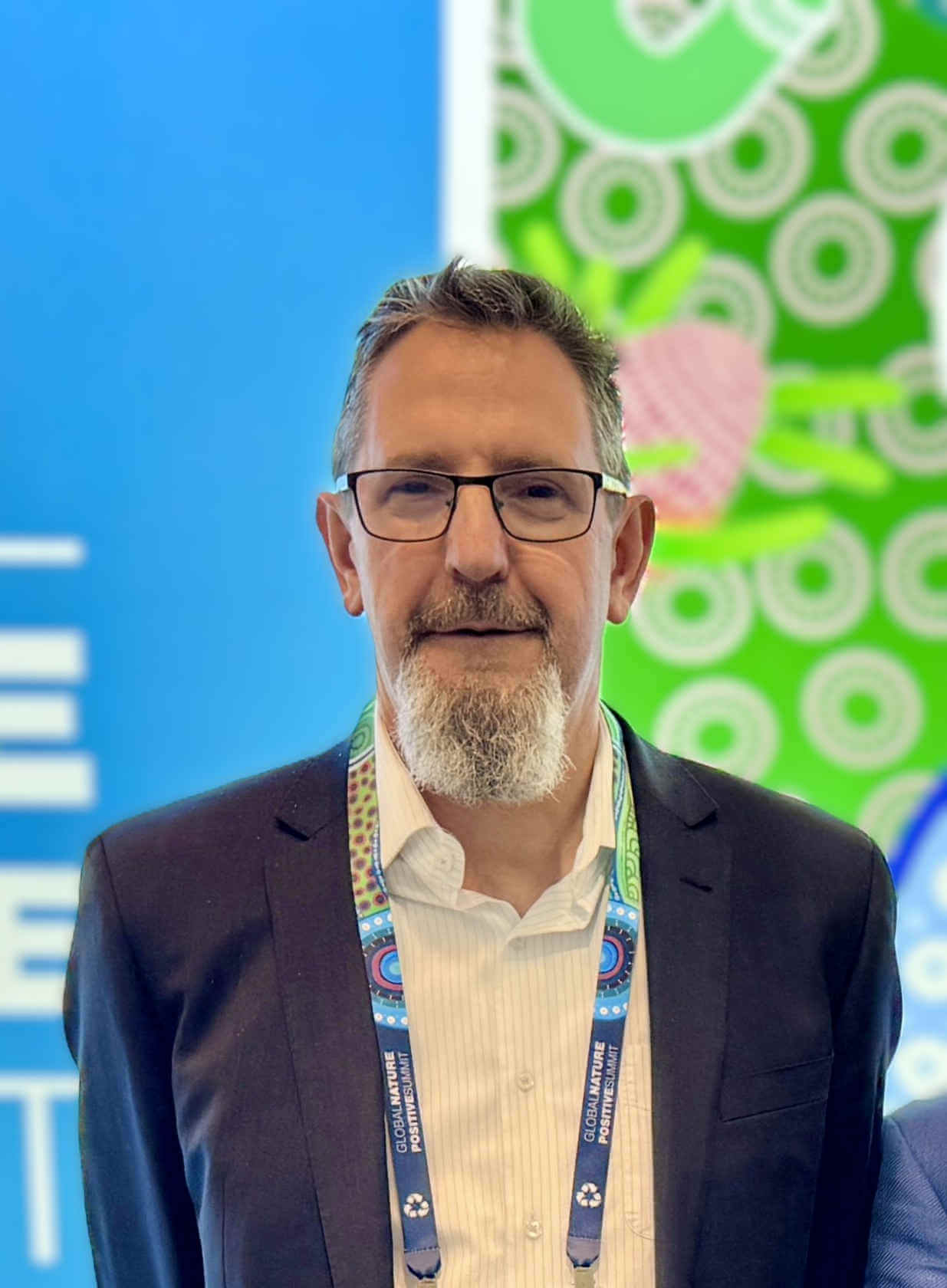
Mr Andrew Morison
Mr Morison is the principal at Business and Nature, with extensive expertise in biodiversity conservation, environmental planning, ecologically sustainable development (ESD) and natural resource management.
His career spans more than 35 years in both government and private industry. He is well recognised for strategic biodiversity conservation planning across Australia as well as his leadership in the environmental consulting industry.
He is passionate about collaboration with organisations and businesses to support their capability and capacity to deliver outcomes for the community and our precious natural world.
Meeting minutes
- Meeting 14 – 6 May 2026 (PDF 119.46 KB)
- Meeting 13 – 11 February 2026 (PDF 86.67 KB)
- Meeting 12 – 3 December 2025 (PDF 434KB)
- Meeting 11 – 14 October 2025 (PDF 90KB)
- Meeting 10 – 6 August 2025 (PDF 371KB)
- Meeting 9 – 17 June 2025 (PDF 353KB)
- Meeting 8 – 15 April 2025 (PDF 270KB)
- Meeting 7 – 18 February 2025 (PDF 440KB)
- Meeting 6 – 17 December 2024 (PDF 329KB)
- Meeting 5 – 11 October 2024 (PDF 365KB)
- Meeting 4 – 7 August 2024 (PDF 280KB)
- Meeting 3 – 28 May 2024 (PDF 34KB)
- Meeting 2 – 3 April 2024 (PDF 59KB)
- Meeting 1 – 13 February 2024 (PDF 44KB)