The National Parks and Wildlife Service (NPWS) carries out hazard reduction burns and other hazard reduction activities like slashing, mowing or creating fuel breaks to reduce the risk of bushfire.
The risk of bushfires cannot be eliminated but their impacts can be reduced by effective planning and bushfire management. It is a combined effort to manage bushfire risk and we all play a role.
-
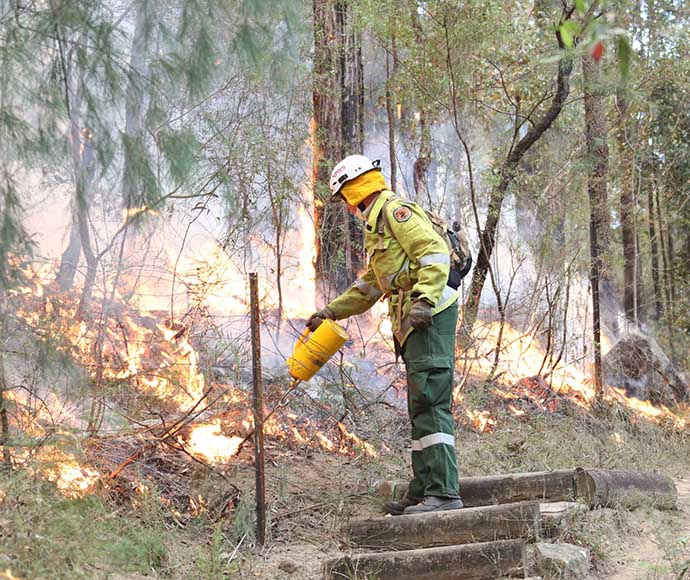
Staff from Greater Sydney and Blue Mountains undertaking the Pisgah Ridge hazard reduction burn near Glenbrook in the Blue Mountains National Park -
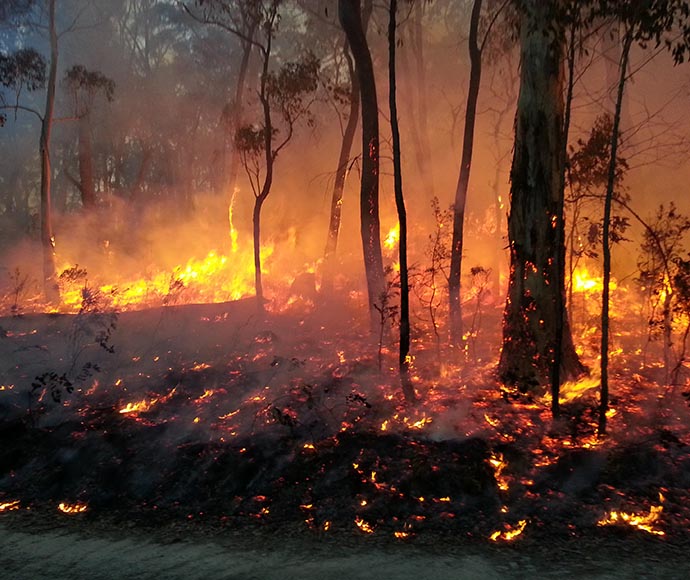
Hazard reduction burn in progress at Brindabella National Park -
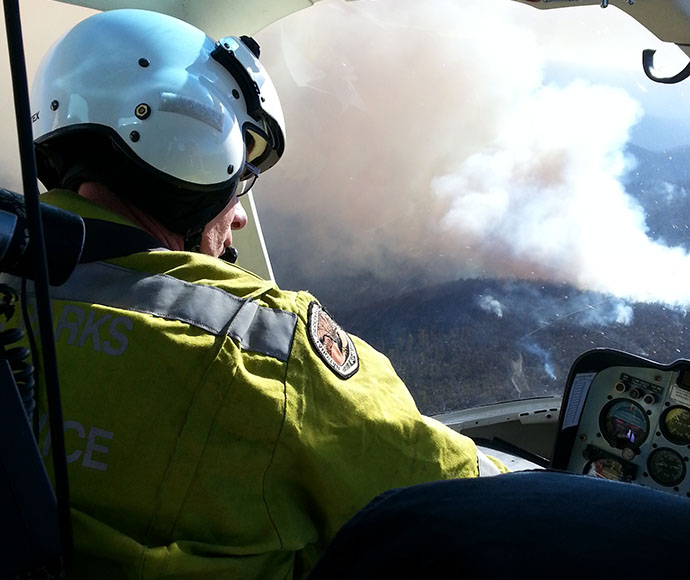
Pilots view of smoke from Tumbledown hazard reduction burn over the Brindabella National Park -
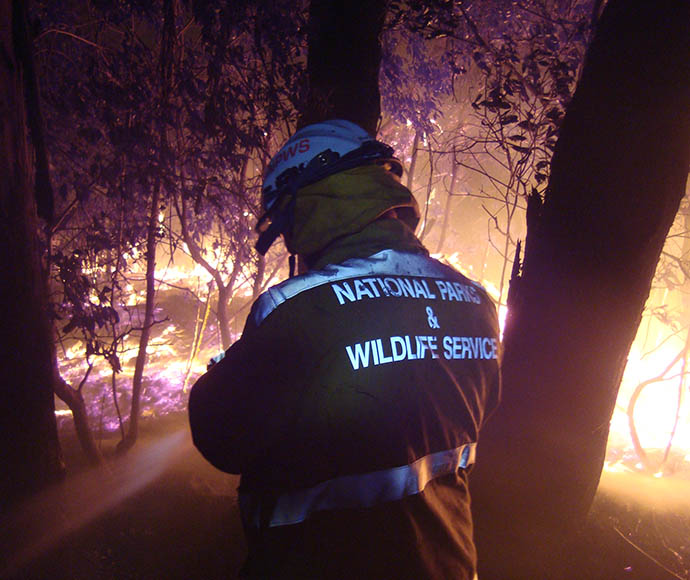
Hazard reduction burn at night in the Georges River National Park -
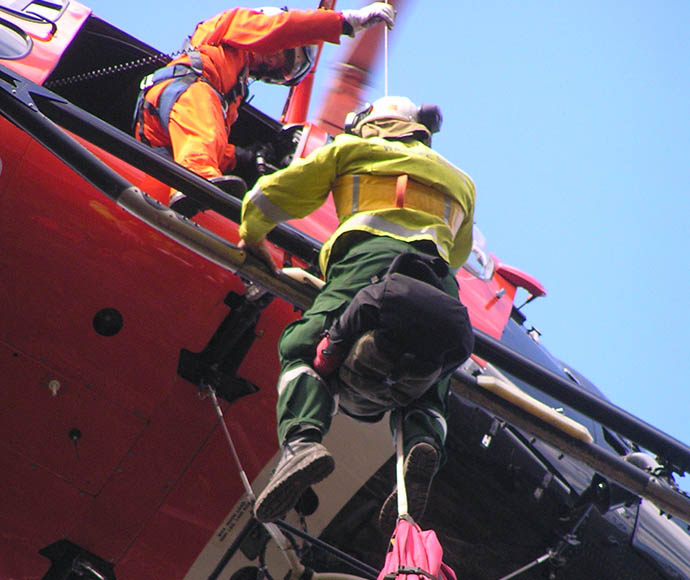
Remote Area Fire Team (RAFT) member winching out of helicopter -
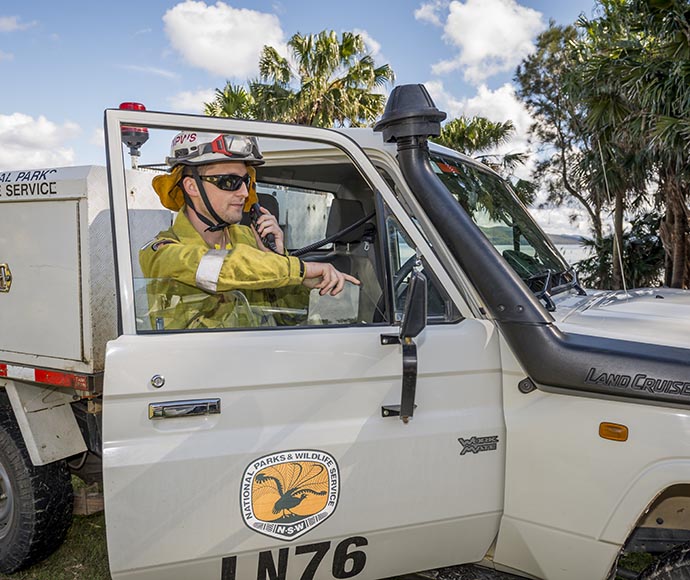
Communications fire training in the Lower North Coast -
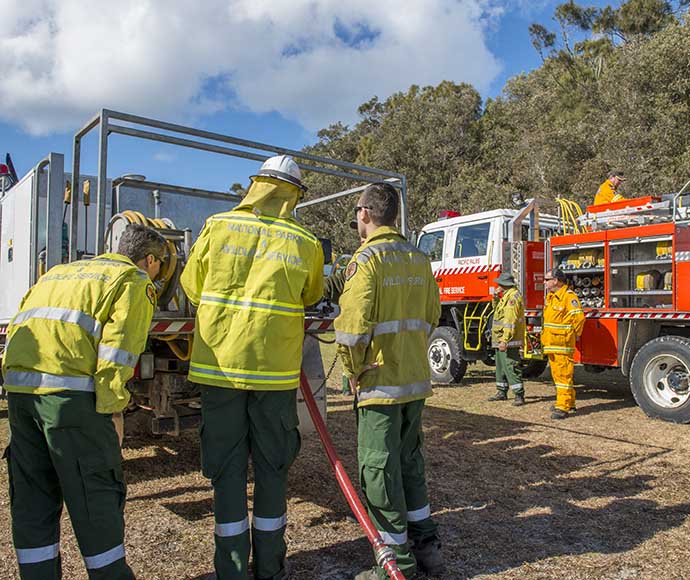
Fire training in the Lower North Coast -
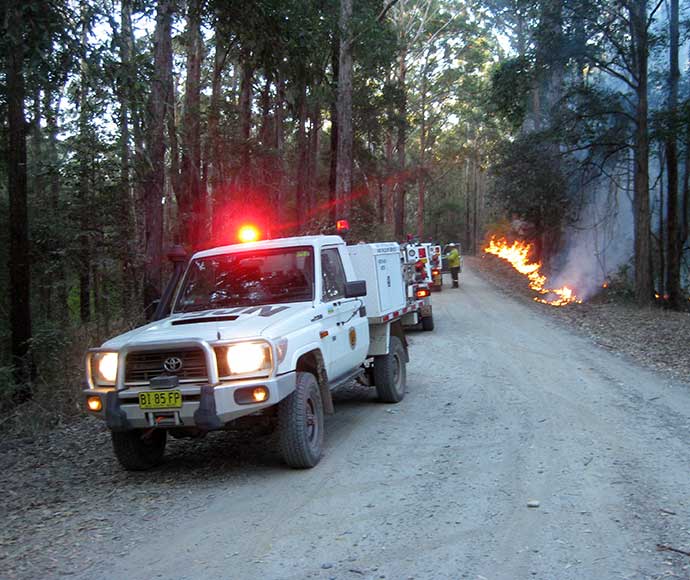
Cat 9 vehicles on track used for control line hazard reduction burn, Yarriabini National Park
Fuel reduction
Fuel is any flammable material that might catch fire and burn. In national parks, fuel consists of accumulated deadwood and vegetation. Removing this fuel can significantly reduce the risk of bushfire.
The main fuel source for bushfires is dead vegetation that is thinner than a pencil, known as fine fuel, and bark from trees. We work to reduce fine fuel, which includes leaves and fallen bark on the ground and elevated fuel, including twigs, leaves and grasses just above the ground surface.
Hazard reduction burns
A hazard reduction burn is a type of planned burn that is used to reduce the overall fuel load and bushfire hazard.
Hazard reduction burning is also referred to as prescribed burning or planned burning. Each hazard reduction burn is the result of careful planning, consultation and monitoring, as well as a rigorous approval process. Burns can only be undertaken when the weather conditions are just right.
Early detection system
Early detection is critical to managing the risk of bushfire. We have a comprehensive fire detection system in place for our national parks.
Elements of our fire detection system include:
- multi-agency detection towers located in strategic points throughout the state
- regular monitoring of lightning strike tracker systems and Bureau of Meteorology
- deployment of observation aircraft following storms
- regular patrols of vulnerable areas during periods of heightened fire weather.
Maintaining fire roads and trails
Regular maintenance of internal roads and trails in national parks is important for firefighting access. Roads and trails also provide control lines to assist in fire containment.
Strategic fire trails are identified in park management plans and fire management strategies specific to each national park, as well as in fire access and fire trail plans, which are prepared by local bushfire management committees.
Staff training
We have more than 1,200 staff trained in a variety of firefighting roles from crew members to incident controllers.
Firefighters are trained and equipped for firefighting anywhere in Australia and in some overseas locations. Staff are trained in specialist roles such as aviation, remote area firefighting and prescribed burning.
For most staff, firefighting is only part of their conservation work. Many are also rangers, field officers, technical officers, managers, administrative personnel and project officers.
Our fire-trained staff are required to meet annual recertification and fitness programs so they can respond quickly and safely to bushfires. We develop and deliver fire, incident and aviation training courses and fire fitness programs for our staff.
Community awareness
We provide information to promote community awareness of bushfire risk. This is an important component of fire management. We also issue alerts and information about national park fire bans and closures.
Local communities can contribute to fire management strategies. This helps to raise awareness of the complexities of managing bushfire risk.